Category: Dig Deeper

Grow.bm’s weekly blog on all things gardening in Bermuda.

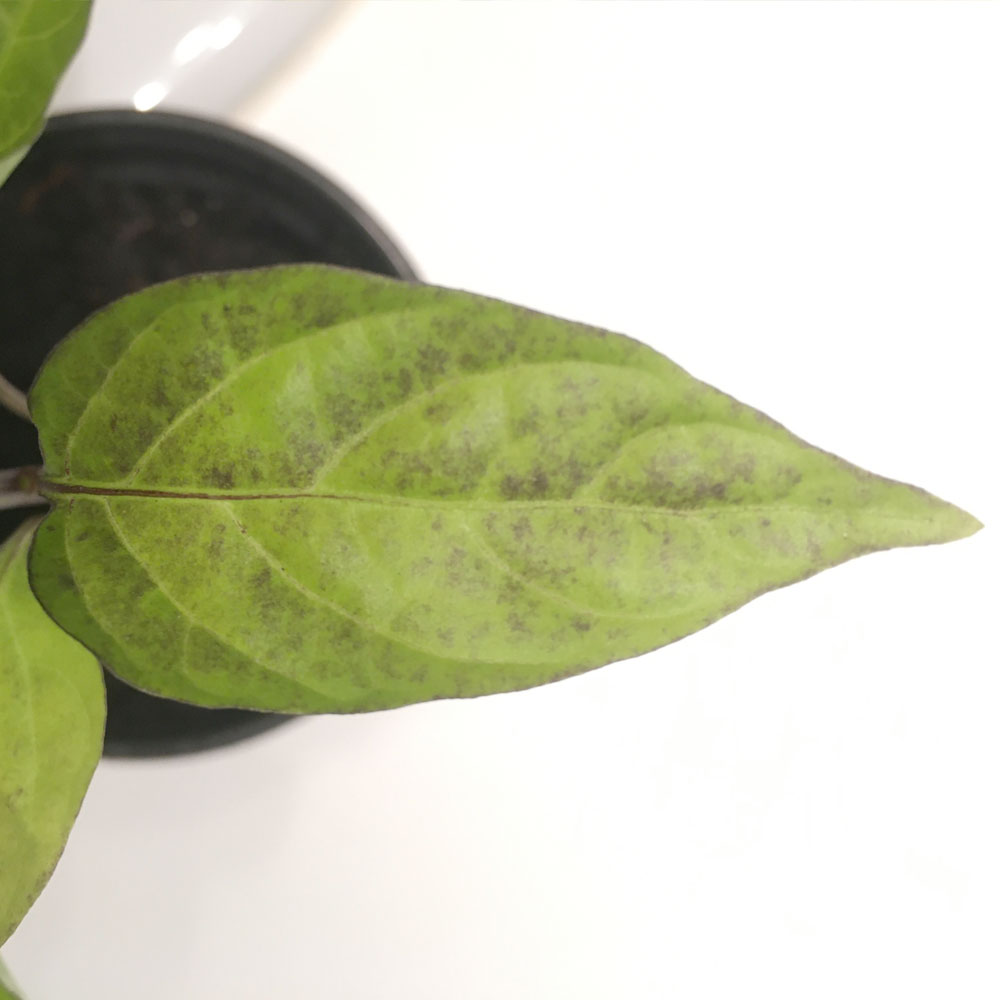
  • Purple spots on underside of leaves?

    Purple spots on underside of leaves?

    All the flowers, of all the tomorrows, are in the seeds of today

    Semanur Kuyucu

    We all want to grow healthy green plants, with firm leaves and well-developed root systems. However, sometimes our journey isn’t as green throughout.  If you start experiencing purple or bronze discoloration in the upper and lower sides of leaves, you may be experiencing a phosphorus deficiency.

    (So, why does my plant need phosphorus?)

    Phosphorous is essential for capturing and converting the sun’s energy into useful plant compounds.

    Phosphorus is a component of various enzymes and proteins. It is a vital component of DNA, the genetic “memory unit” of all living things. It is also a component of RNA, the compound that reads the DNA genetic code, to build proteins and other compounds essential for plant structure, seed production, and genetic transfer. The structures of both DNA and RNA are held together by phosphorus bonds. Phosphorus is essential for the general health and vigor of all plants.

    Plants lacking phosphorous will show slow growth, appear stunted and be weak. Older leaves will often have a dark green color with purple discoloration/spots on the underside of leaves. The bottom leaves are always affected first and show the earliest signs of this deficiency.

    Replacing the phosphorous in your soil is super easy with our Phos Rock nutrient additives!

    Phos Rock is derived completely from marine phosphate rock, which is a naturally occurring source of phosphorus and calcium.

    We have four forms of pure phosphorous available: Phos Rock, Super Phos Rock, Seabird Guano, and HP2.

    Our Phos Rock products are 100% organic and harvested using only habit-friendly methods, without the use of any toxic chemicals. 

    Phos Rock, comes in powdered form, and has an NPK analysis of 0-7-0, with 14% available Calcium

    Super Phos Rock, comes in powdered form, and has an NPK analysis of 0-9-0, with 22% available Calcium

    Seabird Guano, comes in powdered or granular form, and has an NPK analysis of 0-12-0, with 20% available Calcium

    All are available in 3lb bags, that you’re able to add directly to soil/water-in, as needed.

    HP2, comes in liquid form, and has an NPK analysis of 0-4-0. Add 1 tablespoon per gallon.

    If you start to see purple spots on underside of your leaves, consider our Phos Rock products! You will see better results!
  • Whole Leaves Turning Yellow?

    Whole Leaves Turning Yellow?

    A garden is not a place. It’s a journey

    Monty Don

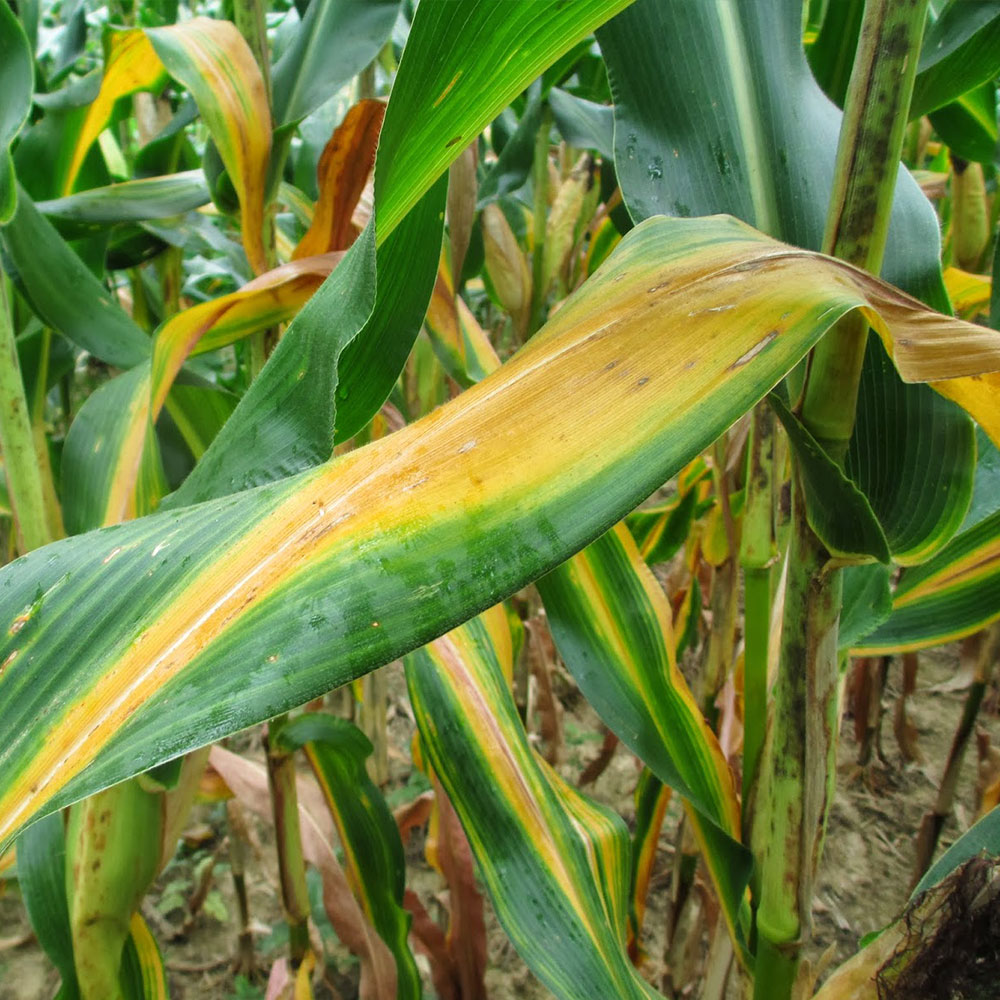
    We all want to grow healthy green plants, with firm leaves and well-developed root systems. However, sometimes our journey isn’t as green throughout.  Yellowing leaves are common, and there are a few reasons why you may be seeing them, however if your plant is receiving proper sunlight and you’re watering your well-draining soil regularly, the problem may be deeper. You may be experiencing a nitrogen deficiency. 

    (So, why does my plant need nitrogen?)

    Nitrogen is absolutely essential for plant growth, development and reproduction.  Nitrogen could be thought of as the “backbone of plants”, based upon what it does in plants.

    Nitrogen is so vital because it is a major component of chlorophyll, the compound by which plants use sunlight energy to produce sugars from water and carbon dioxide (i.e., photosynthesis).

    It is also a major component of amino acids, which are the building blocks of proteins. (Without proteins, plants wither and die) Some proteins act as structural units in plant cells while others act as enzymes, making possible many of the biochemical reactions on which life is based.

    Nitrogen is also a component of energy-transfer compounds, such as ATP (adenosine triphosphate). ATP allows cells to conserve and use the energy released in metabolism.

    Finally, nitrogen is a significant component of nucleic acids such as DNA, the genetic material that allows cells (and eventually whole plants) to grow and reproduce. Basically, without nitrogen, there would be no life as we know it. 

    Plants lacking nitrogen have very slow growth and look weak and stunted. A nitrogen deficiency causes whole green leaves to turn yellow, starting from ones that fade prematurely. Older leaves will have a light green or yellow color and are always first to show symptoms of the deficiency. Plants become spindly, stunted, and secondary shoots develop poorly if the initial symptoms are not corrected.

    Replacing the nitrogen in your soil is super easy with our Non-GMO Soybean Meal or Fish Protein nutrient additives!

    Non-GMO Soybean Meal

    Soybean meal is what remains after you grind up and squeeze the oil from soybeans and is an excellent source of slow-release nitrogen.  The meal is rich in protein and can be used as animal feed; but adding soybean meal directly to your soil is where the magic really starts to happen.

    Our Non-GMO Soybean Meal is 100% organic and is harvested without the use of any toxic chemicals.  Our soybean meal is also certified GMO-Free, meaning that crops have not been genetically modified in any way.  Only good, wholesome, soybeans are used to create our soybean meal.

    Our Non-GMO Soybean Meal has an NPK analysis of 7-1-2! High levels of nitrogen with some added phosphorous and potassium.

    Non-GMO Soybean Meal comes in powdered form, available in 3lb bags, that you’re able to sprinkle onto soil/water-in, as needed:

    • For small containers: Add 1 teaspoon with 1 gallon of soil
    • For medium containers : Add 2 teaspoons with 5 gallons of soil
    • For large containers: Add 1 tablespoon with 10 gallons of soil
    • For vegetable gardens/flower beds: Before planting, mix 3-5 lbs per 100 sq. ft, or top dress established plants with 2-3 lbs per 100 sq. ft of soil

    Fish Protien

    Fish Protein is a powerful mix of key marine nutrients, derived from fish protein hydrolysate.

    Fish Protein has an NPK analysis of 13-1-2, with very high levels of nitrogen with some added phosphorous and potassium.

    Fish Protein comes in powdered form, available in 3lb bags, that you’re able to sprinkle onto soil/water-in, as needed:

    • For container gardening: Add 1 teaspoon per 5 gallons of soil
    • For liquid application: Add 2 teaspoons per gallon of water and let brew for 24 hours.
    • Vegetable gardens and flower beds: Add 2 lbs per 100 sq. ft.

    If you start to see whole leaves turning yellow, consider our Non-GMO Soybean Meal or Fish Protein nutrient additives! You will see better results!

  • “Let’s Talk Poop”

    “Let’s Talk Poop”

    Sh*t happens. Turn it into fertilizer.

    Steven Revia

    As we continue to explore more of what goes into our soil, this week is devoted to the birds.
    (Well, birds and bats, as I’ve just Googled and bats apparently are mammals, but not birds.)

    So, what makes birds and bats so special?
    Well, it’s less-so what they are, and more-so what they leave behind.

    You guessed it! Its poop!

    All animals poop, and in the gardening-world we call that “manure”. However, not all poop is the same.
    ONLY poop from Seabirds or bats can be called “guano” – (In a peapod, logically we needed a special name, for these extra special poops) (I said “peapod” instead of “nutshell”, because this is a blog where garden-puns are welcome)

    Specifically, Seabird and Bat poop contain the highest nitrogen, phosphorous and calcium content,
    which sets them apart from all other poops. When mixed with water, these poops become fantastic
    slow-release fertilizers! Nitrogen gives plants their green color and is involved in creating food for the
    plant. Phosphorous helps roots develop and increases stem strength, and Calcium helps with nutrient
    uptake and protects against disease and stress. These nutrients are critical for supporting plant growth.
    This special presence of these critical nutrients is why Seabird and bat poop need a special name, and
    also what makes guano superior to all manures. (Guano has even been so valued throughout history,
    that wars have been fought over it!)

    Bat guano contains microbes that benefit the texture, improve draining properties, and remove the
    toxicity of your garden soil. (Microbes are miniscule single-cell organisms that cannot be seen with the
    naked eye). These microbes also help prevent soil diseases and turn the dried organic matter into a
    source of nutrients for your plant. Bat guano is also not easily washed away from the soil, so the
    benefits last much longer than inorganic fertilizers.

    Grow.bm have partnered with Aurora Innovations, who take great pride in harvesting guanos using only
    bat and bird friendly methods. All animals are kept safe and happy in their natural environment, while
    also ensuring a sustainable source of guano for years to come.

    Our Roots Organics soils ALL contain this bat guano, already mixed in! The very BEST of the poops has
    been prepared with our soils for added convenience!

    We also sell it separately in either liquid, granular, or powdered forms, that you can water-in as needed.
    All of our guanos can also be brewed into teas, or applied by amending soil or topdressing
    beds/containers:

    Product Name:Form:Ingredients:NPK:
    Nitro Bat GuanoPowder100% Natural Bat Guano9-3-1
    Seabird GuanoPowder + Granular100% Natural Seabird Guano0-12-0 with Ca 20%
    Phos RockPowderPhosphate Rock0-7-0 with Ca 14%
    Super Phos RockPowderPhosphate Rock0-9-0 with Ca 22%
    HP2LiquidSeabird Guano, Phosphate Rock0-4-0
    HPK
    LiquidSeabird Guano, Phosphate Rock,
    Langbeinite
    0-4-3

    Anyone experiencing deficiencies with stunted growth and weak plants, should consider one of our
    guano products. It’s the best shit on earth!

  • What’s the white stuff in my soil?”

    What’s the white stuff in my soil?”

    Keep the soil healthy, and the bad seed won’t grow.

    D. Agus

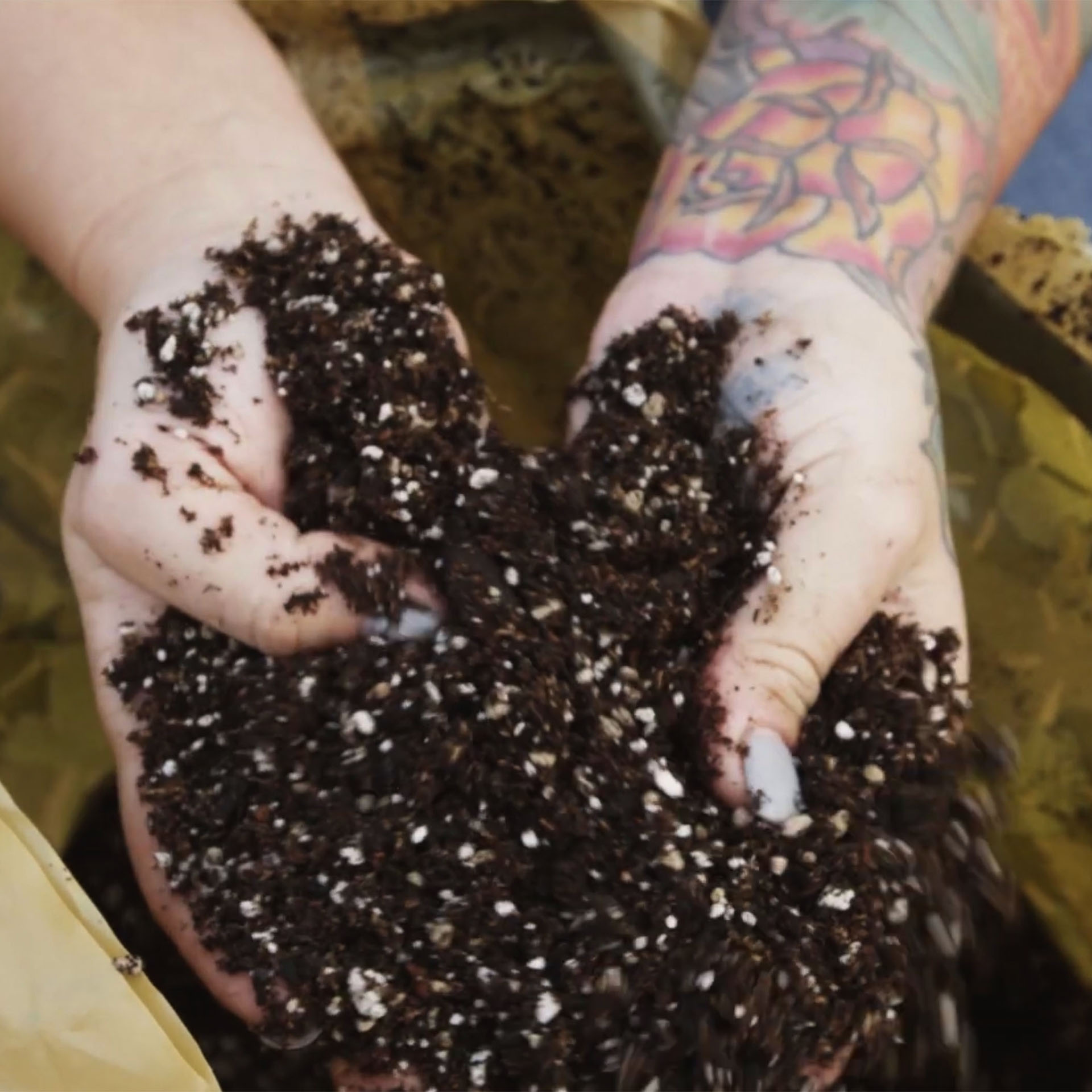
    Have you ever looked into a bag of Roots Organics soil, and wondered what the little white puffy bits are? It’s a common question, and the answer relates directly to soil health. 

    Healthy soil is quite simply, soil that effectively does what soil is supposed to do – sustains plants, animals, and humans, as part of the ecosystem. 

    Healthy soil is a combination of good soil structure and soil content, however water filtration and retention are also a main contributor. That is, whether water drains freely through the soil and how often the soil needs to be watered.

    Poor draining soil will suffer from water-logging and water-stagnation complications – the most common of which is root-rot disease.  Prolonged exposure to overwatered conditions can cause roots to die, due to a lack of oxygen.  A healthy soil needs plenty of air spaces to be able to filter water freely, while still retaining nutrients.

    This is where those little white puffy bits you asked about earlier, come into play.

    Those little white puffy bits are called Perlite and have been added to all Roots Organics soils specifically to improve soil aeration and drainage. The more Perlite present in soil, the more freely water can filter.

    100% of the Perlite used in Roots Organic soils is created in-house by Aurora Innovations.

    Perlite begins life as obsidian ore, which is a naturally occurring glass created when water and lava collide. These little pieces of obsidian will have pockets of water trapped inside. When fed into a Perlite furnace, the ore is exposed to temperatures in excess of 1600 degrees Fahrenheit. This pops the ore like popcorn, into those “white puffy bits”, also known as Perlite. 

    All Roots Organics soils are packaged pre-mixed with the perfect ratios of Perlite, to allow for absolute draining consistency.

    So all Roots Organics soils have excellent drainage, but they do vary when it comes to water retention, or how often each soil should be watered. Some plants thrive in more moist conditions; there is a soil choice for every occasion:

    LUSH Soil, contains the most Perlite, and needs to be watered at least daily

    The Original Soil and 707 Soil, retain more water, and need to be watered every other day

    Greenfields Soil, retains even more water, and needs to be watered every three days

    Microgreens Soil, contains the least Perlite, and needs to be watered every four days

    When you consider how much water your plant needs, creating an environment for your plant to thrive becomes easy. (There are other advantages to consider when selecting a soil, that we’ll begin to explore over the next few volumes)

    Roots Organics offers the convenience of fully organic soils, without any fear of root-rot disease. The perfect addition of Perlite to every bag, allows water to drain freely, every time.

    And now you know what those “puffy white bits” are, and their importance to a healthy soil!

  • Nobody wants a hangry plant

    Nobody wants a hangry plant

    It all begins with the soil.

    W.MORFITT

    As we welcome the start of the new year, we welcome the opportunity for new beginnings.

    New beginnings, offer the chance for new growth.

    But new growth isn’t an automatic guarantee.

    Growth happens fastest when we prepare for it.

    What an aptly thought, as I walk through my garden this morning.  My cherry tomatoes are thriving today, and I can’t resist popping one into my mouth. Deep red, plump, and full of the aromas that only come from growing organically.

    But this wasn’t always the case for me.  My plant is now thriving because I prepared for it – by creating the best environment for growth. 

    Before, I would just throw some seeds into some soil – and then get really depressed with the weak, wilted, short plant that would emerge.  I’d even convinced myself that, “if I just watered it more” my plant would look better. Nope. My plant was just sad. But why?

    Then it clicked. 

    If my plant only grows when it’s in soil – then it must be the nutrients in my soil that are feeding my plant.

    All soil is not the same. 

    Surely then, what’s in my soil must make a difference for my plant. 

    I changed my soil to Roots Organics Soil and noticed an instant improvement! Roots Organic Soils contain the most organic plant nutrients already in the bag.  Everything my plant needs, and all the nutrients that I should’ve been giving to my plant all along, are already added to all Roots Organics Soils!

    Dark green stems and leaves started emerging with the Roots Organics Soils, with thick bushy new growth, as my plant shot up in height.   

    The soil I was using before, didn’t have enough nutrients for my plant.  That’s why my plant was sad! It was hungry and hangry!

    Growth in your garden, starts with the soil that you’re using.

    There are local soil competitors however consider what nutrients, or the lack thereof, that come with their soils.

    Roots Organics offers the MOST and BEST nutrients per bag:

    Roots Organics Greenfields Soil Ingredients:

    • Compost Materials
    • Mycorrhizal Fungi
    • Perlite
    • Peat Moss
    • Coco Fiber
    • Pumice
    • Worm Castings
    • Crab Meal
    • Feather Meal
    • Fish Meal
    • Bat Guano
    • Soybean Meal
    • Fishbone Meal
    • Kelp Meal

    Soil without nutrients, is just dead dirt. 

    Your plant can’t thrive in just dead dirt, and you can’t grow the best plant by only half feeding it.

    Start with a soil that has all the nutrients your plant needs.

    Looking at what is in your soil, will make the difference for your hangry plant.

    Stop wasting money on dirt and start considering that your soil needs more nutrients!