A garden is not a place. It’s a journey
Monty Don
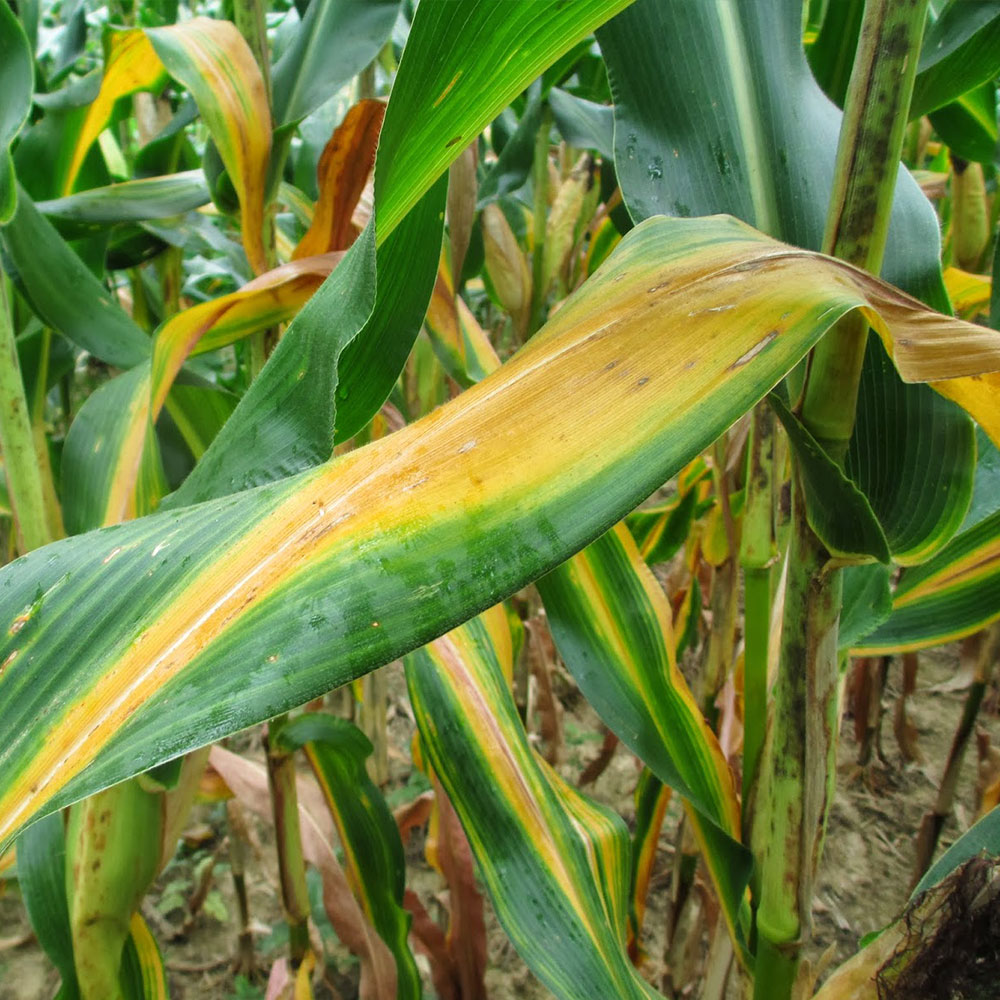
We all want to grow healthy green plants, with firm leaves and well-developed root systems. However, sometimes our journey isn’t as green throughout. Yellowing leaves are common, and there are a few reasons why you may be seeing them, however if your plant is receiving proper sunlight and you’re watering your well-draining soil regularly, the problem may be deeper. You may be experiencing a nitrogen deficiency.

(So, why does my plant need nitrogen?)
Nitrogen is absolutely essential for plant growth, development and reproduction. Nitrogen could be thought of as the “backbone of plants”, based upon what it does in plants.
Nitrogen is so vital because it is a major component of chlorophyll, the compound by which plants use sunlight energy to produce sugars from water and carbon dioxide (i.e., photosynthesis).
It is also a major component of amino acids, which are the building blocks of proteins. (Without proteins, plants wither and die) Some proteins act as structural units in plant cells while others act as enzymes, making possible many of the biochemical reactions on which life is based.
Nitrogen is also a component of energy-transfer compounds, such as ATP (adenosine triphosphate). ATP allows cells to conserve and use the energy released in metabolism.
Finally, nitrogen is a significant component of nucleic acids such as DNA, the genetic material that allows cells (and eventually whole plants) to grow and reproduce. Basically, without nitrogen, there would be no life as we know it.
Plants lacking nitrogen have very slow growth and look weak and stunted. A nitrogen deficiency causes whole green leaves to turn yellow, starting from ones that fade prematurely. Older leaves will have a light green or yellow color and are always first to show symptoms of the deficiency. Plants become spindly, stunted, and secondary shoots develop poorly if the initial symptoms are not corrected.
Replacing the nitrogen in your soil is super easy with our Non-GMO Soybean Meal or Fish Protein nutrient additives!
Non-GMO Soybean Meal
Soybean meal is what remains after you grind up and squeeze the oil from soybeans and is an excellent source of slow-release nitrogen. The meal is rich in protein and can be used as animal feed; but adding soybean meal directly to your soil is where the magic really starts to happen.
Our Non-GMO Soybean Meal is 100% organic and is harvested without the use of any toxic chemicals. Our soybean meal is also certified GMO-Free, meaning that crops have not been genetically modified in any way. Only good, wholesome, soybeans are used to create our soybean meal.

Our Non-GMO Soybean Meal has an NPK analysis of 7-1-2! High levels of nitrogen with some added phosphorous and potassium.
Non-GMO Soybean Meal comes in powdered form, available in 3lb bags, that you’re able to sprinkle onto soil/water-in, as needed:
- For small containers: Add 1 teaspoon with 1 gallon of soil
- For medium containers : Add 2 teaspoons with 5 gallons of soil
- For large containers: Add 1 tablespoon with 10 gallons of soil
- For vegetable gardens/flower beds: Before planting, mix 3-5 lbs per 100 sq. ft, or top dress established plants with 2-3 lbs per 100 sq. ft of soil
Fish Protien
Fish Protein is a powerful mix of key marine nutrients, derived from fish protein hydrolysate.
Fish Protein has an NPK analysis of 13-1-2, with very high levels of nitrogen with some added phosphorous and potassium.
Fish Protein comes in powdered form, available in 3lb bags, that you’re able to sprinkle onto soil/water-in, as needed:
- For container gardening: Add 1 teaspoon per 5 gallons of soil
- For liquid application: Add 2 teaspoons per gallon of water and let brew for 24 hours.
- Vegetable gardens and flower beds: Add 2 lbs per 100 sq. ft.
If you start to see whole leaves turning yellow, consider our Non-GMO Soybean Meal or Fish Protein nutrient additives! You will see better results!